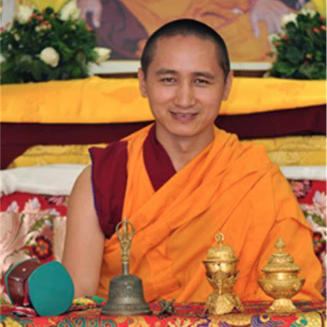
Wheel of Sharp Weapons with Ven. Lozang Yönten
This deeply personal, poetic, and provocative text invites us to “be the peacock in the poison grove” with the bodhicitta attitude that takes hardships as the path to awakening.

This deeply personal, poetic, and provocative text invites us to “be the peacock in the poison grove” with the bodhicitta attitude that takes hardships as the path to awakening.
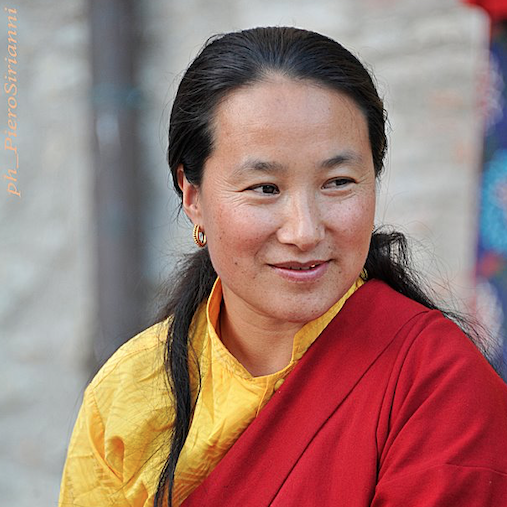
Khandro Tseringma Rinpoche embodying all the qualities of a bodhisattva teaches Shantideva’s A Guide to the Bodhisattva’s Way of Life, which describes the spiritual development of the bodhisattva, from ordinary person to Buddha.
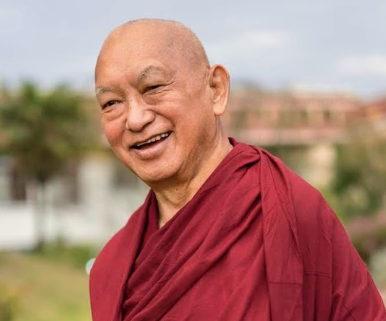
To create the causes for Lama Zopa Rinpoche’s swift return and continued guidance.
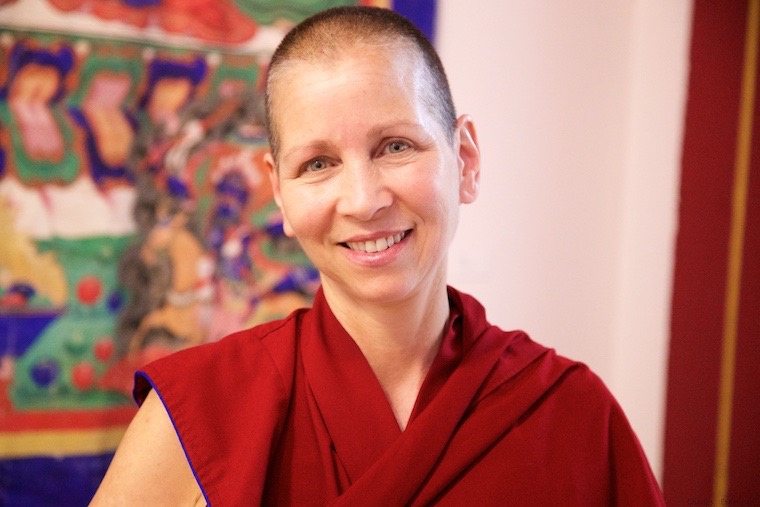
Join this insightful two-session practicum on how to unpack a variety of Tara practices and meditation and realistically incorporate them into your life.
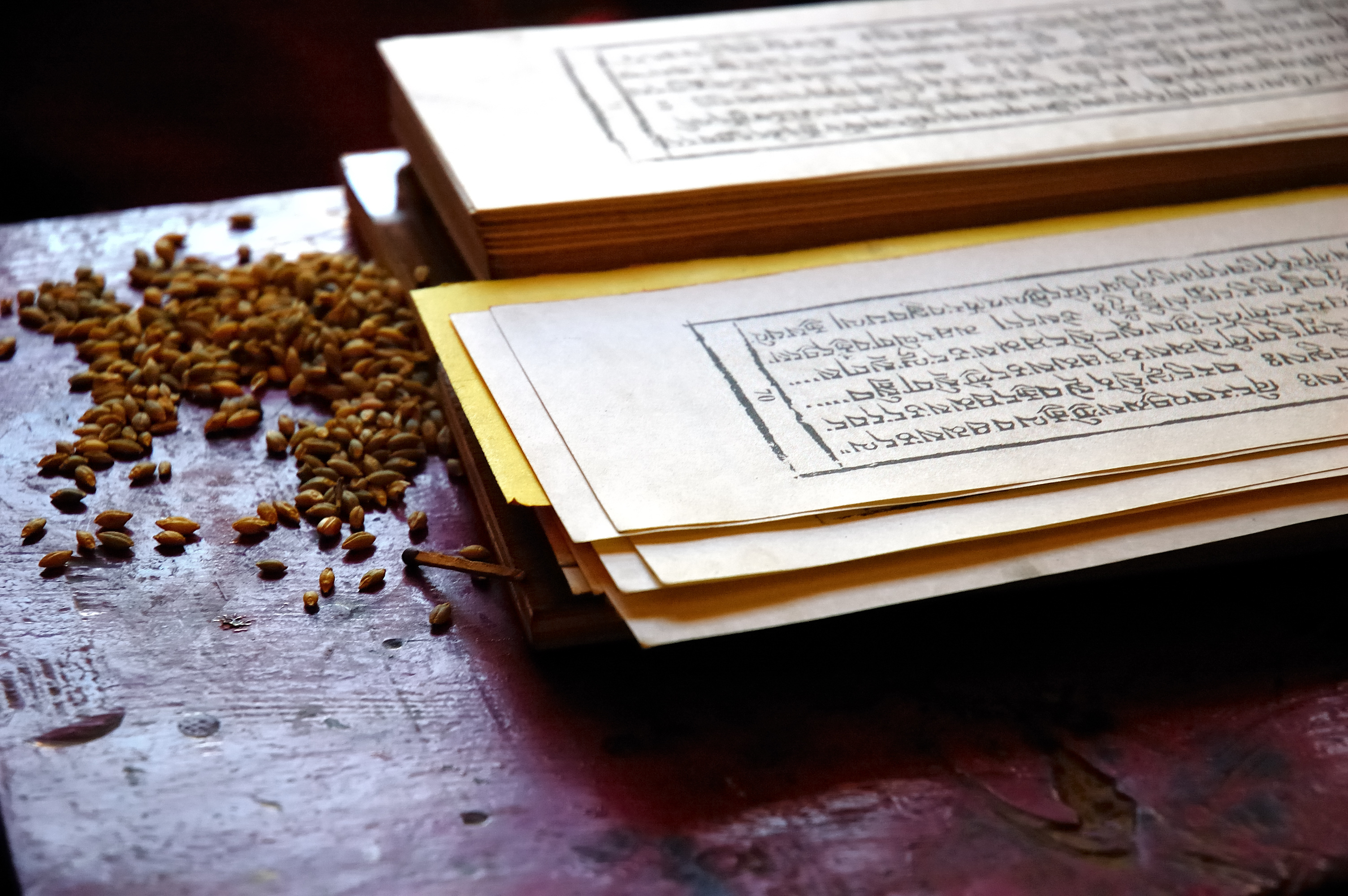
In this pilot program, we will be setting off together as we familiarize ourselves with the basics of Tibetan debate, in keeping with the Buddha’s advice to “come and see” for ourselves.

The course is based on The Fourteenth Dalai Lama's Stages of the Path: Guidance for the Modern Practitioner. It is Buddhism for the 21st century, relevant for today's world. Gavin Kilty will give an overview of each chapter to illustrate these points.

Osel discusses his lifelong immersion in Buddhist philosophy, advocating for media's role in making Buddhism accessible. His aim is to empower individuals to find happiness and meaning through service.
Geshe Tashi Dhondup teaches this three-session course on the death process, dissolution in eight stages, and the bardo. Learn the mechanics of what happens to the physical body during death, the internal signs that appear in our minds at various stages of dissolution, and the features of the bardo our subtle minds encounter while in the between-state of death and rebirth.
(1st teaching) Explore how the Buddha’s teachings might relate to our own lives in this modern era, and how they can meet us where we are—no matter our belief system. (2nd teaching) Dozens of Buddhist traditions exist, from Theravada to Mahayana and Vajrayana. Learn whether one can practice multiple traditions—or none of the traditions—and call oneself a Buddhist.